
Predictors of Length of Stay and Early Cardiac Outcomes in Pediatric Patients with Multisystem Inflammatory Syndrome: A Retrospective Cohort Study (2020-2022)
AUTHORS:
Alfredo Pacheco Aponte, MD; Buse Baykoca Arslan, MD; Richard Ulangca, MD; Amelia B. Thompson, MD, MPH; Jennifer Armstrong, APRN; Caitlin Crosley, PharmD; Jonathan Chan, MD, MBA, MHA; Shani Cunningham, DO; Carolina Echeverri, MD; Kimberly Fenton, MD; Jennifer Held, RN; Kelvin Lee, MD; Alberto Marante, MD; Amy Painter, APRN; Bhavya Trivedi, MD; Fatma Levent, MD
AdventHealth for Children, Orlando, FL
ORIGINAL RESEARCH | PUBLISHED Summer 2026 | Volume 46, Issue 3
DOWNLOAD PDF
Abstract
Background
Multisystem inflammatory syndrome in children (MIS-C) is a severe, delayed hyperinflammatory condition occurring after severe acute respiratory syndrome coronavirus 2 (SARS-CoV-2) infection. Organ involvement includes cardiac complications such as myocardial dysfunction and elevated troponin levels. While acute outcomes are now well described, there is less data available regarding long-term prognosis. This study aims to identify predictors of hospital length of stay (LOS) and cardiac recovery in pediatric MIS-C patients admitted to AdventHealth for Children between July 2020 and March 2022.
Methods
This retrospective cohort study examined clinical and laboratory data from 105 pediatric patients diagnosed with MIS-C at our institution. Inclusion criteria were based on the Centers for Disease Control and Prevention (CDC) definition of MIS-C. Data included demographics, vaccination status, comorbidities, ejection fraction (EF), troponin levels, and acute cardiac complications. Key outcomes were hospital LOS and EF. Statistical analyses were performed using R version 4.1, with continuous variables analyzed via Pearson correlation and group comparisons using t-tests or ANOVA.
Results
There was no statistically significant difference in LOS or EF when comparing males to females. Increasing age demonstrated a moderate inverse relationship with discharge EF, suggesting that older children tended to have slightly lower EFs on follow-up. The presence of myocarditis moderately correlated with increased LOS (r=.29, p<.05. Age inversely correlated with EF (r=-.32, p<.001)
Conclusions
Our study reinforces the importance of routine outpatient cardiology follow-up, as recommended by current guidelines, and particularly for older patients and those with myocarditis. Limitations of this study include its retrospective design, small sample size, and reliance on clinical documentation for outcome assessment.
Introduction
MIS-C is a severe, hyperinflammatory condition occurring 2–6 weeks after SARS-CoV-2 infection in children and adolescents under 21 years of age. MIS-C is characterized by fever, laboratory evidence of inflammation, clinically severe illness requiring hospitalization, and multisystem organ involvement. Diagnosis requires the exclusion of alternative plausible causes and confirmation of SARS-CoV-2 infection, either by polymerase chain reaction (PCR), serologic, or antigen testing, or SARS-CoV-2 exposure within the preceding four weeks.1
In a study by Messiah et al., when comparing long-term complications of coronavirus disease 2019 (COVID-19) among a diverse sample of children, they found that females were almost twice as likely to report long-term symptoms versus males, and a substantial proportion of ethnically diverse children from low-resource backgrounds with severe COVID-19 reported long-term impacts.2
Organ involvement can be broad and severe, with cardiac complications such as myocardial dysfunction, coronary artery dilatation, aneurysm, and elevated troponins being among the most concerning. Other common manifestations include mucocutaneous signs (rash, mucositis, and conjunctivitis), gastrointestinal symptoms (abdominal pain, vomiting, and diarrhea), hematologic abnormalities (thrombocytopenia and neutropenia), and circulatory shock.
In the acute period, the mortality rate of MIS-C has been estimated to be approximately 1–2%.3 Kavurt et al.4 found that the most common echocardiographic findings in MIS-C patients are ventricular dysfunction associated with a myocarditis-like condition, pericardial effusion, mitral regurgitation, and rare coronary artery involvement in the acute phase of the disease. However, in their study, ventricular systolic function recovered during hospitalization, but left ventricular diastolic dysfunction persisted in the reduced left ventricular EF group. Similarly, a meta-analysis by Zhao et al. found no significant differences in troponin levels between MIS-C and COVID-19 patients with severe or non-severe MIS-C, as well as between MIS-C patients with and without coronary artery abnormalities.5
While acute outcomes are better understood, there is a paucity of literature regarding long-term prognosis.6,7 This retrospective study evaluates predictors of LOS and cardiac function at discharge in pediatric patients diagnosed with MIS-C at our institution, with a particular focus on cardiovascular and pulmonary sequelae. By contributing to the growing body of follow-up data, we aim to define the recovery trajectory better and support evidence-based management of this novel pediatric inflammatory condition.
Methods
This retrospective cohort study examined clinical, laboratory, and testing data from all pediatric patients diagnosed with multisystem MIS-C at AdventHealth for Children between July 2020 and March 2022. Inclusion criteria followed the CDC’s case definition for MIS-C—fever, multisystem organ involvement, laboratory evidence of inflammation, and confirmed (by PCR, serology, or antigen test) or SARS-CoV-2 exposure within the preceding four weeks (CDC, 2020). Exclusion criteria included patients older than 21 years, those negative for SARS-CoV-2 infection (as determined by PCR, serology, or antigen test), and individuals with an alternative diagnosis. Electronic health records were queried to identify 105 patients meeting these criteria; all had a documented deceased status of “alive,” indicating zero in-hospital mortality in this cohort. Subject selection is summarized in Figure 1.
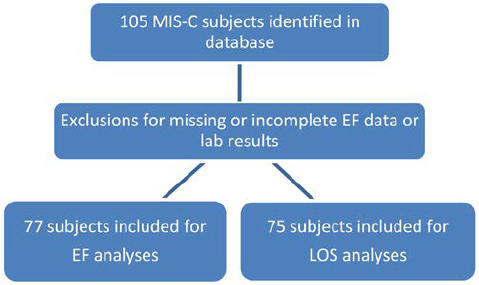
Figure 1: Subject selection Flow Diagram.
Demographic data (age in years, sex, and self- or parent-reported race/ethnicity) and clinical variables were obtained from the electronic medical record. ICD-10 code M35.8 was used to identify MIS-C diagnosis in the chart. COVID-19 infection status was coded as positive or negative based on PCR or serology testing results; vaccination status was recorded as vaccinated or unvaccinated. We captured binary indicators for acute cardiac complications (myocarditis, cardiogenic shock, coronary artery aneurysm, first-degree atrioventricular block) and underlying comorbidities (obesity; chronic respiratory failure; congenital heart block; abnormal blood chemistry; cardiovascular, lung, or immunosuppressive conditions).
Key outcomes included hospital LOS and left ventricular EF% as measured by transthoracic echocardiography. We recorded troponin levels, reported initially as “Negative,” “<X,” or as a numeric value—as a continuous variable by assigning “Negative” = 0 ng/mL and “<X” = X/2 ng/mL, as per established methods for censored laboratory data.8
All analyses were conducted in R version 4.1.9 Continuous variables are presented as mean ± SD and median (interquartile range) (Table 1); categorical variables are presented as counts and percentages.10 Bivariate associations were explored using Pearson correlations for continuous measures and independent-samples of t-tests or one-way ANOVA for group comparisons.11

Table 1: Demographics table.
To identify independent predictors of EF and LOS (days), we performed hierarchical linear regression with block entry: first, demographics (age, sex, and race); then, COVID-19 variables (infection status and vaccination); followed by troponin and acute cardiac complications; and finally, comorbidities. Logistic regression models evaluated odds of myocarditis, and receiver operating characteristic (ROC) curves quantified model discrimination.12 Statistical significance was set at two-tailed p < .05 throughout.
This study was designed to answer the following:
- Is there a significant difference in hospital LOS between male and female MIS-C patients?
- Is there a significant difference in left ventricular EF at discharge between male and female MIS-C patients?
- What are the pairwise correlations among key demographic, laboratory, and clinical variables (age, LOS, EF, troponin, COVID-19 status, complications, comorbidities) in this MIS-C cohort?
- To what extent do demographics (age, sex, race) and COVID-19 variables (infection, vaccination) explain variance in discharge EF?
- To what extent do demographics, COVID-19 variables, EF, troponin, and acute cardiac complications predict log-transformed LOS?
- Do age and peak troponin levels independently predict the odds of developing myocarditis during hospitalization for MIS-C?
- Does peak troponin mediate the relationship between patient age and discharge EF?
- Does peak troponin moderate (i.e., alter) the strength of the age–EF association?
- How well do combined demographic and clinical predictors discriminate via area under the curve (AUC) between patients with EF <55% and those with EF ≥55%?
- How well do these predictors discriminate between patients with prolonged LOS (> median) and shorter stays?
Results
An independent‐samples t‐test was conducted to compare hospital LOS in days between male and female patients. Male patients (n = 66) had a mean LOS of 6.52 ± 3.24 days, whereas female patients (n = 39) had a mean LOS of 7.15 ± 4.57 days. The difference was not statistically significant, t (103) = –0.84, p = .405, Cohen’s d = 0.23, indicating no appreciable gender effect on LOS. (Table 2)

Table 2: Gender differences in LOS and EF Note: LOS: Length of stay; EF: Left Ventricular Ejection Fraction.
Similarly, left ventricular EF was compared between genders. Male patients (n = 66) demonstrated a mean EF of 65.93 ± 6.70 %, and female patients (n = 39) demonstrated a mean EF of 64.91 ± 5.91 %. This difference also did not reach significance, t (103) = 0.79, p = .433, Cohen’s d = 0.20. (Table 2).
Pearson correlations among all numeric predictors—including demographic variables, clinical measures, binary complications, and comorbidities—are shown in Table 3. Overall, pairwise correlation exceeded r = .35, indicating minimal multicollinearity for subsequent regression models.
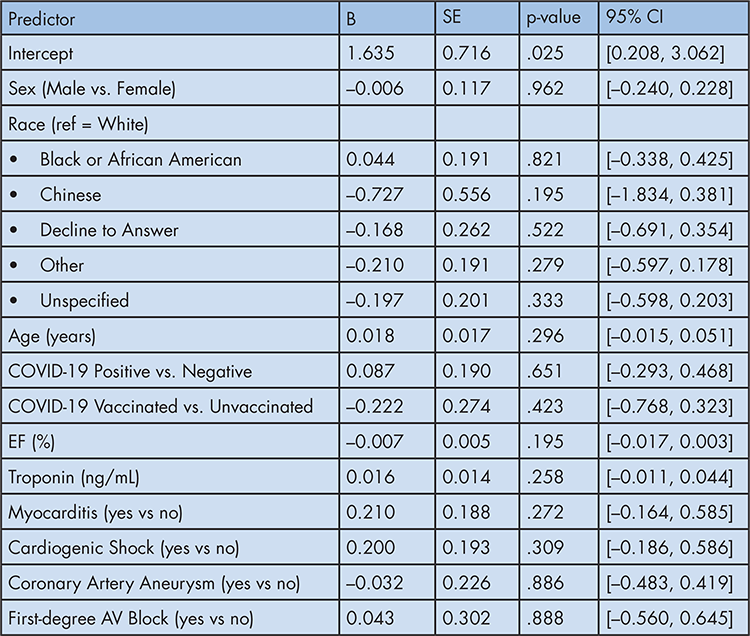
Table 3: Hierarchical regression results for the final LOS model
Age demonstrated a moderate inverse relationship with discharge ejection fraction (EF; r = –.32), suggesting that older children in our cohort tended to have slightly lower EF values on follow-up. Age also correlated positively with myocarditis (r = .35) and modestly with hospital LOS (r = .22).
Myocarditis was moderately associated with LOS (r = .29), indicating longer admissions for those with acute myocardial inflammation.
Troponin (TROPONIN_NUM) showed negligible correlations with EF (r = –.07) and LOS (r = .01), indicating that quantitative peak troponin levels were not strongly linked to these outcomes in our sample group. COVID-19 positivity and vaccination status were independent of clinical severity measures (all r < 0.12). Underlying comorbidities, such as obesity, chronic lung disease, and cardiovascular disease, exhibited only weak intercorrelations (all r < 0.20), which alleviated concerns about collinearity in multivariable analyses.
A hierarchical linear regression was conducted to examine predictors of left ventricular EF% among pediatric MIS-C patients (n = 77 complete cases). The final model, selected for its parsimony and significant R² gain, included demographics (age, sex, and race) and COVID-19 variables (infection status and vaccination) that were entered simultaneously. This model accounted for 21.1% of variance in EF, R2 = .211, F (6,70) = 2.28, p = .025, representing a significant improvement over demographics alone, ΔR2 = .024, FΔ (2,70) = 2.49, p = .09. Within this model, age emerged as the only statistically significant predictor: each additional year of age was associated with a 0.58% decrease in EF, B = –0.58, SE = 0.15, t (70) = –3.87, p < .001, 95% CI [–0.88, –0.28]. Neither sex nor any race category differed significantly from the reference group (White), and COVID-19 positivity and vaccination status were not significant predictors (all p > .05).
Subsequent blocks, which added acute cardiac complications and comorbidities, did not yield significant increases in explained variance (p > .10), confirming the final model’s balance of explanatory power and parsimony. Therefore, we report final model results as the final EF model.
A hierarchical linear regression analysis was also performed to identify predictors of hospital LOS among MIS-C patients with complete data (n = 75 complete cases) for all variables. Only 75 cases (out of 105) were identified with complete data available. Demographic factors (age, sex, race), COVID‐19 status, left ventricular EF%, troponin levels, and acute cardiac complications (myocarditis, cardiogenic shock, coronary artery aneurysm, first-degree atrioventricular block) were entered as a single block. This model explained 29.2% of the variance in LOS, R² = 0.292, F (10, 64) = 2.17, p = 0.061, representing the most significant increase in explanatory power over earlier blocks (ΔR² = 0.112, p = 0.061). Although the overall block did not approach conventional significance, it was retained for its substantive contribution to explaining variance.
Within the final model, no individual predictors reached statistical significance (all p > .05), although the direction of effects suggested that longer LOS was modestly associated with lower EF and the presence of myocarditis or shock. The subsequent addition of underlying comorbidities did not further improve the model fit (ΔR² = .022, p = .425), affirming the final model as the most parsimonious, which captured the key drivers of LOS variation. (Table 3).
A binomial logistic regression was performed to assess whether age and troponin level predicted the odds of developing myocarditis during MIS-C hospitalization (n = 93 complete cases with identified troponin levels). Age was a significant predictor: each additional year increased odds of myocarditis by 21.5% (OR = 1.215, 95% CI unavailable; p = .004). On the other hand, troponin level was not associated with myocarditis (OR = 0.999, p = .873). (Table 4)
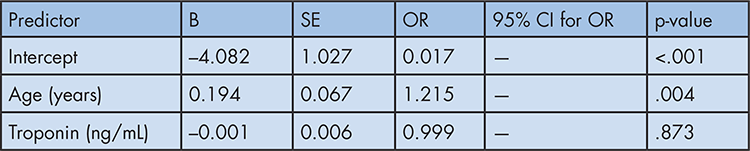
Table 4: Simple logistic regression predicting myocarditis (age and troponin) Note. OR = odds ratio. CI for OR could not be estimated due to data separation at extremes.
A mediation analysis was conducted to examine whether troponin level mediated the relationship between age and left ventricular EF%. Age was significantly associated with EF, B = –0.482, SE = 0.137, and p = .001. Controlling for troponin, age remained a significant predictor of EF, B = –0.477, SE = 0.139, p = .001. The Sobel test indicated a non-significant indirect effect of age on EF via troponin, z = –0.24, p = .809. As a result, there was no evidence that troponin impacted the effect of age on EF; the direct pathway from age to EF was robust, and the indirect path through troponin was null.
Additionally, a moderation analysis assessed whether troponin moderated the association between age and EF. In terms of the main effect of age, it was found that older age is associated with lower EF, B = –0.457, SE = 0.142, t = –3.22, p = .002. Although the model accounted for 13.4% of the variance in EF, troponin did not moderate the effect of age on EF; age remained the sole significant predictor of EF. These results indicate that while age consistently predicts EF in pediatric MIS-C, troponin neither mediates nor moderates this relationship.
Finally, ROC curves were generated to evaluate the discriminative ability of our final logistic models for two clinically relevant outcomes: reduced ejection fraction (EF < 55 %) and prolonged hospital stay (> 6 days). For the EF model, which included age, sex, race, COVID-19 status, and vaccination status, the area under the ROC curve (AUC) was 0.67 (Figure 2), indicating modest discrimination between patients with and without reduced EF.
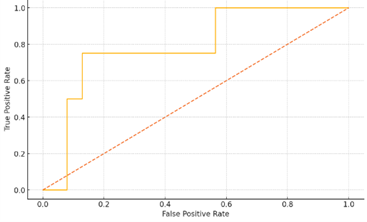
Figure 2: Receiver Operating Characteristic (ROC) Curve for Predicting Reduced Ejection Fraction (<55%) in MIS-C Patients. The model includes age, sex, race, COVID-19 status, and vaccination status. Area under the curve (AUC) = 0.67, indicating modest discrimination.
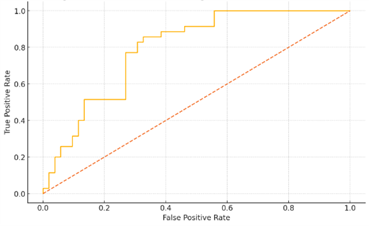
Figure 3: ROC Curve for Predicting Prolonged Hospital Stay (>6 days) in MIS-C Patients. The model incorporates EF, troponin, acute cardiac complications, and demographic/COVID-19 predictors. AUC = 0.72, reflecting acceptable discrimination.
For the prolonged LOS model, which included ejection fraction, troponin, and acute cardiac complications in addition to demographic and COVID-19 predictors, the AUC improved to 0.72 (Figure 3), reflecting acceptable discrimination in identifying patients at risk for more extended hospitalization. These findings suggest that while the demographic/COVID-19 predictors alone are of limited utility for flagging reduced EF (AUC = .67), incorporating clinical severity markers enhances the model’s ability to predict extended LOS (AUC = .72). An AUC of 0.67 for EF prediction indicates modest discrimination, meaning the model has limited ability to distinguish patients with reduced EF (<55%) from those with normal EF. In contrast, the LOS model’s AUC of 0.72 reflects acceptable discrimination, suggesting that incorporating clinical severity markers improves prediction of prolonged hospitalization.
Discussion
The findings of this study provide important insights into the predictors of hospital LOS and left ventricular EF in pediatric patients. The lack of significant gender differences in LOS and EF suggests that these outcomes are not influenced by gender in this population.
The moderate inverse association between age and EF and the positive association between age and myocarditis highlight the importance of age as a predictor of these outcomes. The hierarchical linear regression models further support the significance of age in predicting EF, with each additional year associated with a decrease in EF.
Although the hierarchical regression model for LOS approached significance, the lack of significant individual predictors suggests that other factors not included in the model may be influencing LOS. The direction of effects indicates that longer LOS is associated with lower EF, and the presence of myocarditis or cardiogenic shock warrants further investigation.
The logistic regression analysis identified age as a significant predictor of myocarditis, while troponin levels were not significant. The inability to estimate confidence intervals due to data separation highlights the need for larger sample sizes or alternative statistical methods in future studies. The mediation and moderation analyses did not find evidence that troponin mediates or moderates the relationship between age and EF. These findings suggest that troponin levels do not influence the relationship between age and EF.
The ROC curve analysis demonstrated modest to acceptable discrimination for predicting reduced EF and prolonged LOS, respectively. These results underscore the potential utility of clinical severity markers in predicting extended hospitalization. Overall, the findings of this study suggest the potential contribution to the understanding of the predictors of LOS and EF in pediatric patients. However, these findings must be interpreted cautiously, given the small sample size. Also, we were able to evaluate the patients six months after the initial illness, even if some have been lost to follow-up. Of the ones we were able to evaluate, all had excellent outcomes.
Future work could explore additional biomarkers or imaging techniques to optimize further these predictive algorithms, including larger sample sizes and investigating additional factors that may influence these early and long-term outcomes.
Conclusion
This retrospective review suggests that age and EF might be some of the key indicators of LOS as predictors of early outcomes in patients with MIS-C and reinforces the importance of routine outpatient follow-up, as recommended by current guidelines. It raises the question of whether prolonged surveillance is necessary for all patients, particularly those with complete resolution of echocardiogram findings. As more patients transition into post-acute care, understanding long-term outcomes is critical for informing follow-up practices and healthcare resource allocation. Larger multicenter studies are needed to evaluate these variables further and to design follow-up protocols.13-17
Author Disclosure Statement: The Authors report no conflicts of interest.
References
- Centers for Disease Control and Prevention. Multisystem inflammatory syndrome in children (MIS-C): 2023 case definition. NCEZID-CDC. Updated February 2023. Available at: https://ndc.services.cdc.gov/case-definitions/multisystem-inflammatory-syndrome-in-children-mis-c-2023/ Accessed May 11, 2025
- Messiah SE, Xie L, Mathew MS, Shaikh S, Veeraswamy A, Rabi A, et al. Comparison of long-term complications of COVID-19 illness among a diverse sample of children by MIS-C status. Int J Environ Res Public Health. 2022;19(20):13382.
- Shust GF, Soma VL, Kahn P, Ratner AJ. Multisystem inflammatory syndrome in children. Pediatr Rev. 2021;42(7):399-401.
- Kavurt AV, Bağrul D, Gül AEK, et al. Echocardiographic findings and correlation with laboratory values in multisystem inflammatory syndrome in children (MIS-C) associated with COVID-19. Pediatr Cardiol. 2022;43:413-425.
- Zhao Y, Patel J, Huang Y, et al. Cardiac markers of multisystem inflammatory syndrome in children (MIS-C) in COVID-19 patients: a meta-analysis. Am J Emerg Med. 2021;49:62-70.
- D’Auria E, Bova SM, Dallapiccola AR, et al. Long-term health outcome and quality of life in children with multisystem inflammatory syndrome: findings from multidisciplinary follow-up at an Italian tertiary-care paediatric hospital. Eur J Pediatr. 2024;183(11):4885-4895.
- Capone CA, Misra N, Ganigara M, et al. Six-month follow-up of patients with multi-system inflammatory syndrome in children. Pediatrics. 2021;148(4):e2021050973.
- Looney SW, Dunn ML. Statistical techniques for censored laboratory data. Clin Chem. 2011;57(4):547-548.
- R Core Team. R: A language and environment for statistical computing. R Foundation for Statistical Computing; 2021.
- Altman DG. Practical statistics for medical research (first edition). Chapman and Hall, London; 1991.
- Field A. Discovering statistics using IBM SPSS statistics. Sage Publications Ltd; 2013.
- Hosmer DW, Lemeshow S. Applied logistic regression (second edition). John-Wiley & Sons, Inc., New York; 2000.
- Truong DT, Trachtenberg FL, Hu C, et al. Six-month outcomes in the long-term outcomes after the multisystem inflammatory syndrome in children study. JAMA Pediatr. 2025;179(3):293-301.
- Henderson LA, Canna SW, Friedman KG, et al. American College of Rheumatology clinical guidance for multisystem inflammatory syndrome in children associated with SARS-CoV-2 and hyperinflammation in pediatric COVID-19: version 3. Arthritis Rheumatol. 2022;74(4):e1-e20.
- Jone P, John A, Oster ME, et al. Circulation guidance for MIS-C and pediatric COVID-19. Circulation. 2022;145(19):e1037-e1052.
- Capuruco CAB, Rodrigues Albuquerque M, et al. Clinical insights: resolving the specter of cardiac sequelae in MIS-C; a 24-month follow-up case series. Prog Pediatr Cardiol. 2024;75:101759.
- Sampri A, Shi W, Bolton T, et al. Vascular and inflammatory diseases after COVID-19 infection and vaccination in children and young people in England: a retrospective, population-based cohort study using linked electronic health records. Lancet Child Adolesc Health. 2023;9(12):837-847.